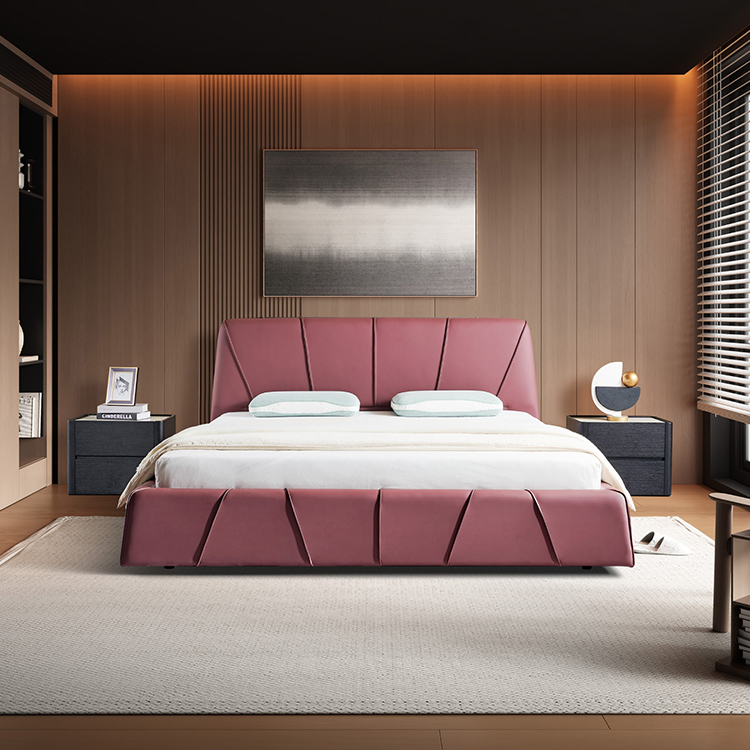
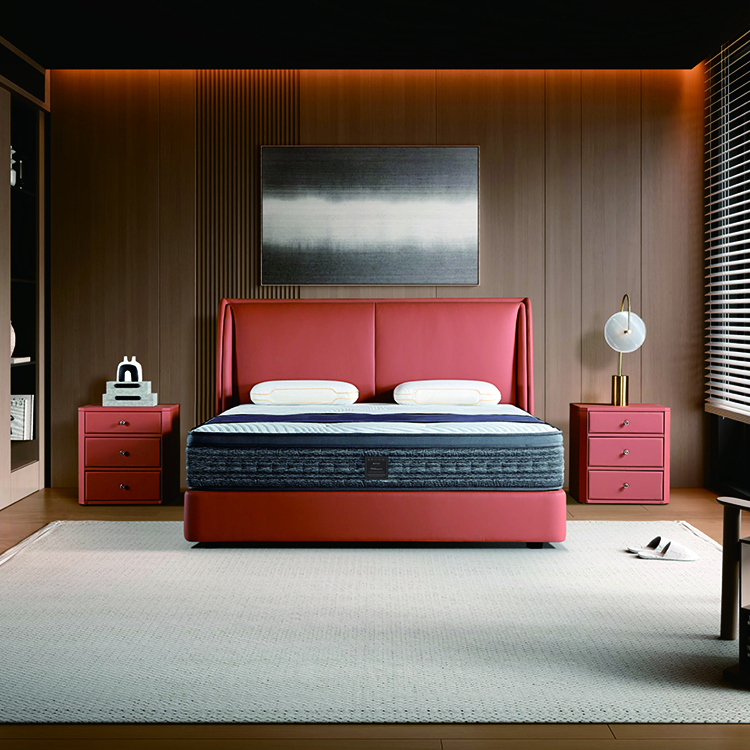
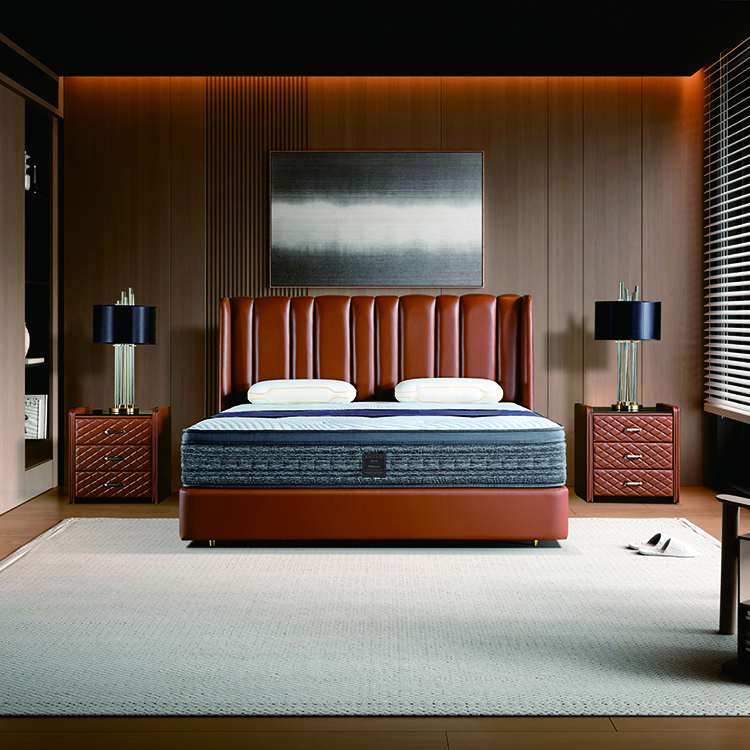
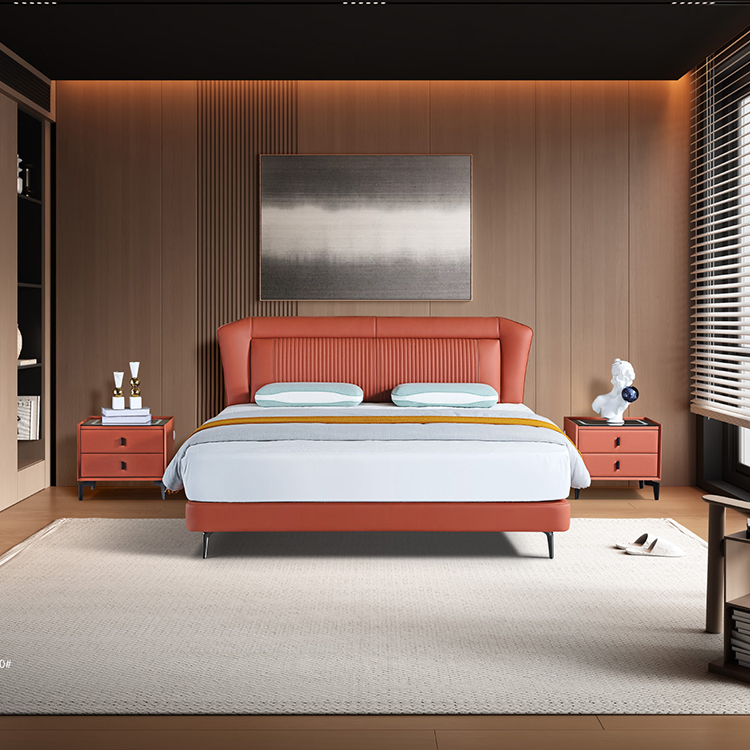
In an antique furniture store in the West End, a 1920s Melltorp mattress is quietly displayed. On the brown leather-hemmed bed frame, the hand-sewn plaid fabric has a warm luster, but the spring support system still maintains an even elasticity - this is the epitome of Melltorp's sleep aesthetic that spans a century. From the craftsmen's workshops of the Edwardian era to the global model of luxury bedding today, this brand born in the afterlife of the British Industrial Revolution has always measured the symbiotic trajectory of British home culture and sleep technology with time as the ruler.
The 1910s-1930s: Handmade Persistence in the Industrial Age
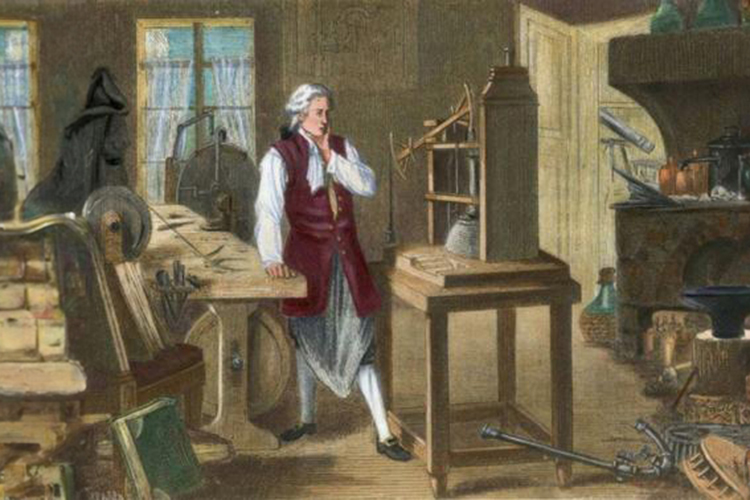
Arthur Melltorp, a young furniture maker, opened his first workshop in Manchester's red-brick alleys in 1912. Britain was undergoing a transition from Victorian to modernism, as the intricate carved four-poster beds in aristocratic mansions faded from their glitz, and the emerging middle class began to wake up to the need for "comfortable sleep". Arthur keenly captured this change, ditching the popular hardwood bed board design of the time, and pioneered the "three-layer wool-filled mattress" - with Yorkshire wool as the core, the outer layer wrapped in Manchester cotton and linen blended fabric, and the hand-nailed copper buckle edge became the earliest brand identity.
In 1925, MeToo's "Windsor Collection" introduced ergonomic concepts into mattress design for the first time. Inspired by the Royal College of Medicine's research on the "natural curvature of the spine", this mattress added a natural latex cushion at the waist, and with the embryonic structure of independent bag springs, it became the "healthy bedding" recommended by the London clinic at that time. The British home magazine "The Studio" at that time commented: "MeToo turned sleep from an art deco accessory to an independent aesthetic of quality of life."
The 1940s-1960s: Style innovation in postwar reconstruction
In post-World War II Britain, the usterity (austerity) style took the home field by storm. In 1948, John Melltorp, the second-generation descendant of Meto, launched the "Reconstruction Collection", which replaced scarce wool materials with recycled cotton and compressed coconut palm, but continued the tradition of hand-sewn in craftsmanship. This "restrained luxury" just fits the British's dual pursuit of practicality and decency during the period of material scarcity. The lines of the bed frame are reduced to geometric contours, but they retain the warm texture of the walnut solid wood frame. The plaid pattern on the surface of the mattress has changed from the intricate curly grass pattern to the neat checkerboard, which has become the iconic symbol of the British home after the war.
In 1956, MeToo collaborated with the London School of Art to incorporate pop art elements into bedding design. The "Chelsea Collection" mattress covers used contrasting stripes and abstract floral patterns, breaking the dullness of traditional bedding and quickly becoming the home choice of young cultural icons such as the Beatles. During this period, MeToo adhered to the principle of "sleep function first" and echoed the transformation of British culture from conservative to diverse with design innovation.
III. 1970s-1990s: Balancing Technology and Tradition
When Thatcher-era Britain saw an economic recovery, the consumer home market began to embrace the wave of technology. In 1979, Meto launched the first "Oxford Collection" containing memory cotton, a material developed by NASA that has been modified by the brand's laboratory to automatically adjust the hardness according to body temperature, but still retains the breathable structure of hand-laying cotton. The Times Home Edition at the time described this innovation as "old tailors learn new magic" - machine-cut memory cores resonate wonderfully with the edge craftsmanship of craftsmen.
When he opened his flagship store on Bond Street in London in 1992, the space was designed to recreate the atmosphere of an Edwardian home salon, but it incorporated electronic screens into the exhibition to show the operation of the support system inside the mattress in real time. This "space-time folding" presentation is a fitting illustration of the brand's positioning in the age of globalization: both the ability to use aerospace-grade materials, and the insistence that each mattress needs to go through 72 manual quality inspections; both the bed frame with the family coat of arms for Princess Diana and the cost-effective basic model for ordinary families.
IV. The 21st Century: Aesthetic Resonance from Britain to the World
When Mr. Meto entered the Chinese market in 2010, he introduced the "Cambridge Collection" with a deep consideration of eastern and western sleeping habits - a mattress thickness of 28cm to suit Asian sleeping preferences while retaining classic British plaid elements; and 30 per cent more individual bag springs than the European version to support more delicate body curves. This "heritage of respect for difference" has allowed the century-old brand to quickly establish a foothold in unfamiliar markets.
In 2023, the "centennial" mattress launched by MeToo combines the wool filling process of 1912 with modern intelligent temperature control technology: the surface is still the hand-embroidered trademark of the original workshop, but the inside is embedded with a sleep monitoring chip that can be connected to the mobile phone APP. When the London morning is sprinkled on the edge of the bed through the shutters, the copper buckles, plaid and stitches that span the century are telling the truth together with the flashing smart indicator lights - true luxury is never a replica of tradition, but a mellow taste of time in innovation.
From a small workshop in Manchester to more than 200 stores around the world, Melltorp's century-old trajectory is like a miniature history of British home culture. Those mattresses and bed frames born in different eras not only record the evolution of materials, craftsmanship and design, but also hide the eternal expectation of the British people for "home" - in the noisy world, there is always a corner where people can unload their fatigue and find the most authentic comfort in the gentle package of time. This may be the most precious precipitation of the century-old brand: to fight the impatience with ingenuity, and to achieve the classic with persistence.

 English
  Español
  简体中文
简体中文  لالعربية
  हिन्दी
  Português
  Русский
  日本語
日本語  한국어
한국어  Français
  Deutsch