When shopping for a mattress, in addition to considering the sleeping position, you also need to consider the following factors:
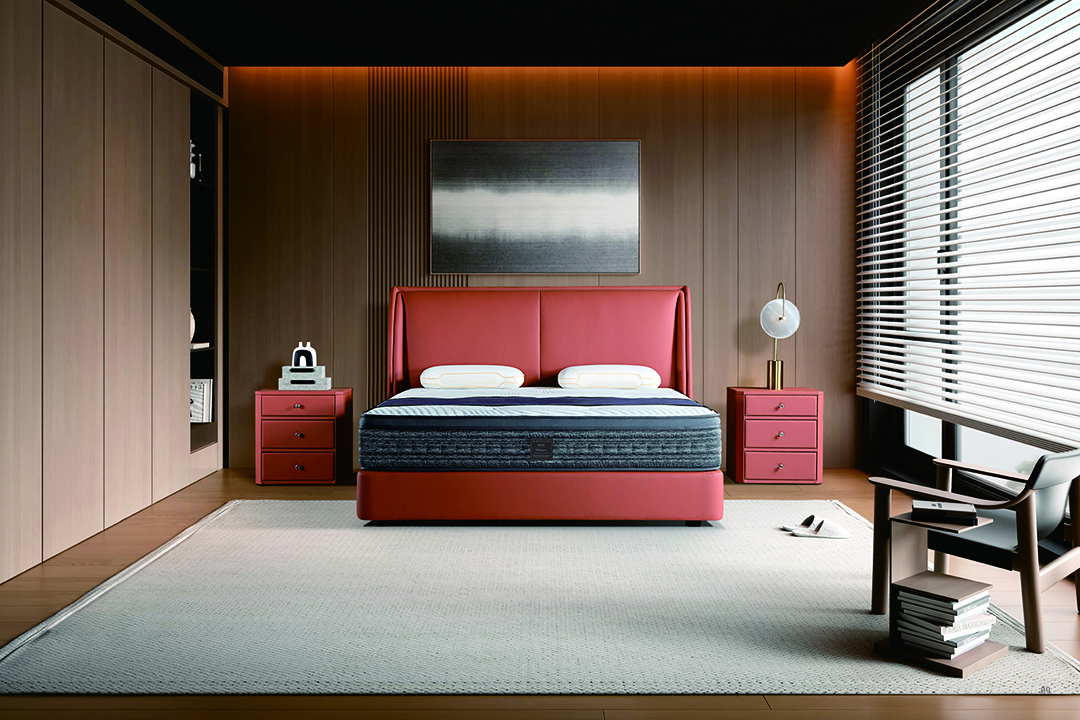
1. Mattress material: Common mattress materials include memory cotton, latex, spring, foam, palm, jute, etc. Different materials have different characteristics, such as memory cotton can adjust the shape according to body temperature and pressure, suitable for people who need body support; latex is naturally antibacterial and breathable, but expensive and may be too soft; spring mattresses provide good support and ventilation; palm and jute mattresses are hard, etc. Consumers can choose according to their needs and preferences.
2. Mattress hardness: Generally speaking, hard mattresses are suitable for people who need extra support for the back and waist, such as the elderly, people with bad waist or people with large weight; soft mattresses are more suitable for people who like deep feelings; and adults can choose according to personal sleep habits and comfort.
3. Size matching: The size of the mattress needs to match the bed frame to ensure there is enough sleeping space. Common sizes include single bed, double bed, extra-large double bed and extra-large double bed, etc. The size and layout of the room should also be considered when choosing.
4. Brand and price: Well-known brands are usually more reliable in terms of quality assurance and after-sales services, but high prices do not necessarily mean a better sleep experience. Consumers should consider the brand's reputation and reputation within their own budget.
5. Service life: Even better quality mattresses have a certain optimum service life, usually 5 to 8 years, and it is recommended not to exceed 10 years. If the mattress is uneven, worn, affects sleep quality or breeds bacteria and mites, you need to consider replacing it.
6. Test sleep experience: Try to test the mattress yourself before purchasing to feel its comfort and support. Many retailers offer probation periods that can be tested at home to ensure the mattress meets individual needs.
7. Environmental protection and health: Pay attention to environmental indicators such as formaldehyde emission from mattresses to avoid formaldehyde pollution from causing harm to the body. Choose a mattress that meets national environmental protection and hygiene standards and has a small odor. If possible, open the mattress to check whether the internal structure is defective and whether there is any odor.
8. Special needs: For example, pregnant women who need stronger waist support can choose a mattress that is moderately hard or hard to sleep on; people with sensitive skin may place more emphasis on bacteriostatic and mite removal functions; people who are prone to sweating need to consider the moisture absorption and perspiration properties of mattress fabrics.
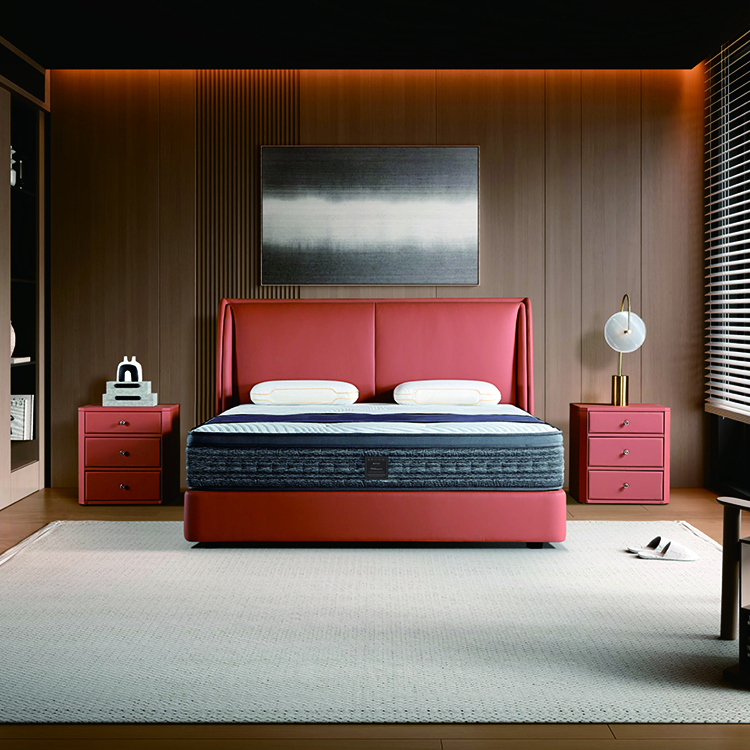
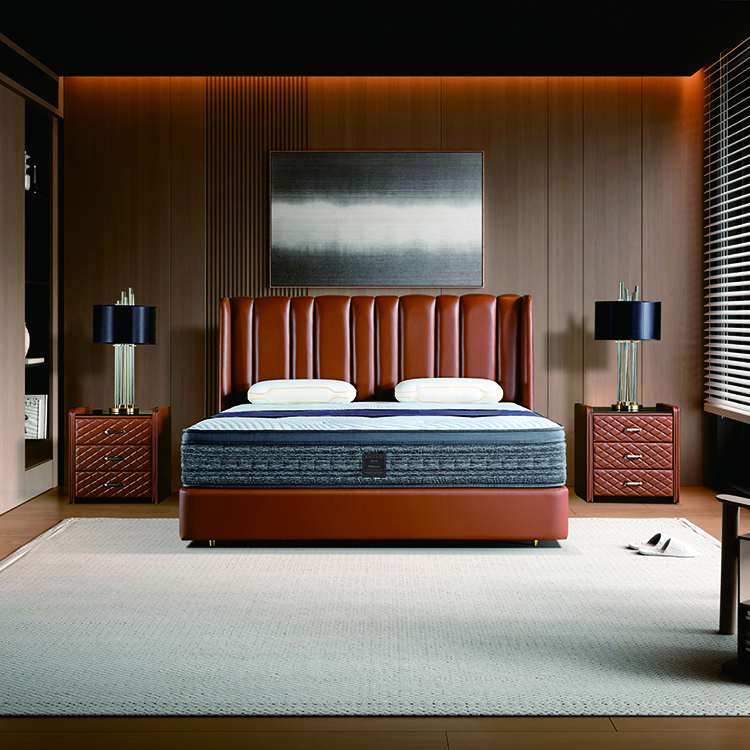
9. Mattress structure: The structure of the spring mattress includes springs, filling layers and fabrics. The type of spring (such as independent bag spring, Miaoerbuckle spring, Meizi spring, etc.) will affect the support and anti-interference of the mattress; the filling layer material can adjust the hardness; the moisture absorption and breathability of the fabric, antibacterial and anti-mite functions are also very important.
10. After-sales guarantee: Priority is given to brands that provide after-sales services such as mattress cleaning for future mattress cleaning and maintenance.

 English
  Español
  简体中文
简体中文  لالعربية
  हिन्दी
  Português
  Русский
  日本語
日本語  한국어
한국어  Français
  Deutsch